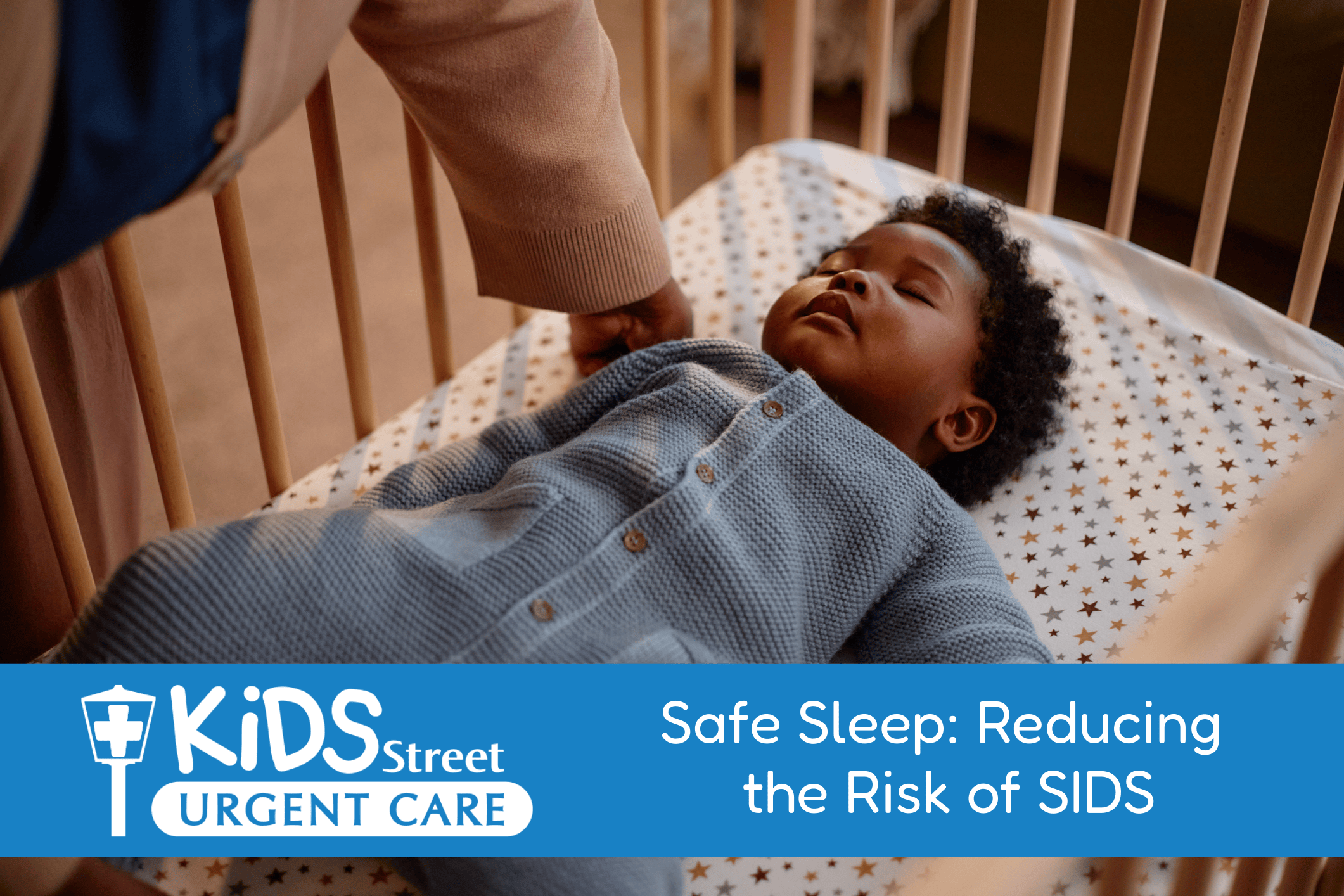
As a parent, you know nothing matters more than keeping your baby safe and healthy. One of the topic that you need to understand and be aware of is SIDS: Sudden Infant Death Syndrome.
SIDS is a tragic condition that can feel overwhelming to think about. The good news, though, is that there are steps you can take to significantly reduce the risk of SIDS.
Let’s talk about what SIDS is, exactly, and how you can create the safest sleeping environment for your little one.
What Is Sudden Infant Death Syndrome (SIDS)?
SIDS is the sudden and unexplained death of an infant under one year of age that occurs without any obvious cause, even after a complete investigation.
These tragic events happen during sleep, usually when babies are between two and four months old.
We don’t know the exact cause of SIDS, but research suggest it may involve how some babies respond to situations like low oxygen or high carbon dioxide during sleep.
Fortunately, we’ve seen the incidence rate of SIDS drop by over 50% since the early 1990s, and that’s thanks to parents like you learning more about – and putting into place – safe sleep practices.
Steps to Take to Reduce the Risk of SIDS
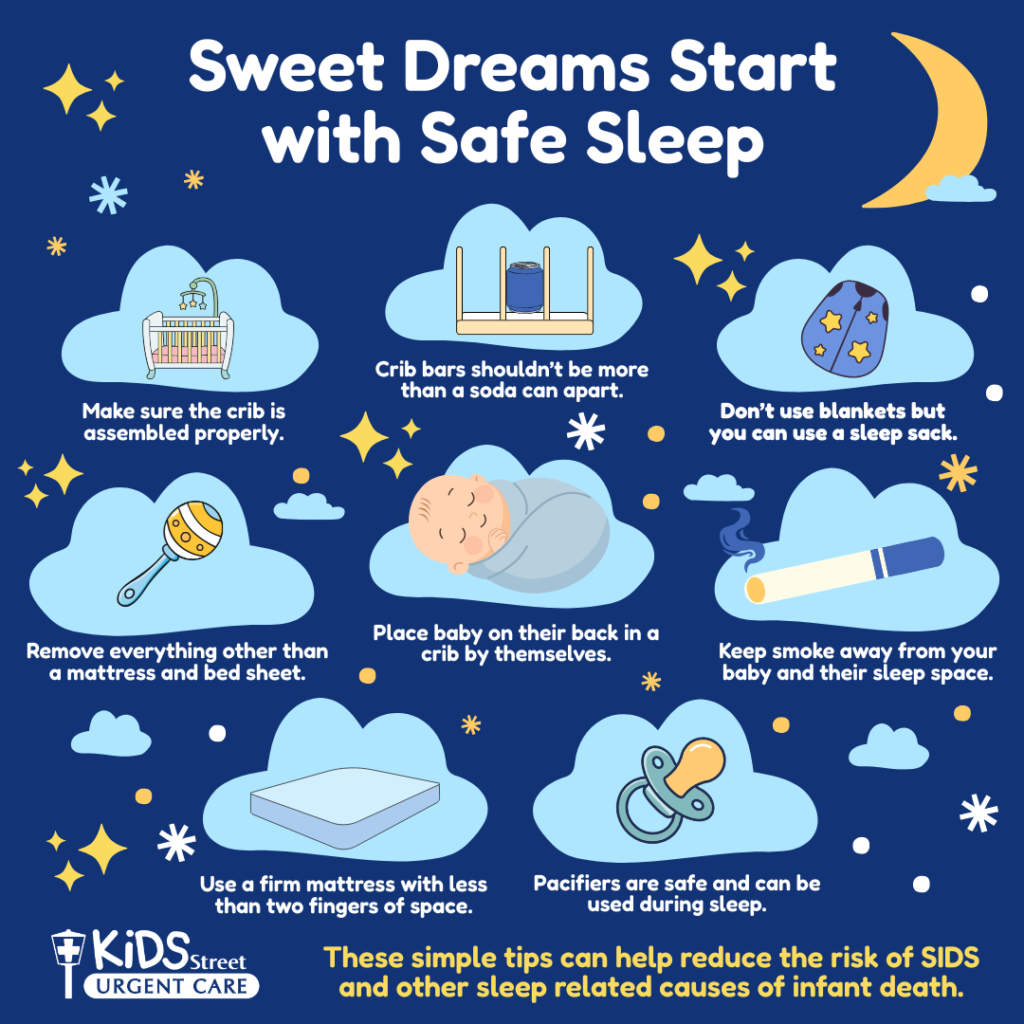
Creating a safe sleep environment is your first line of defense against SIDS. To help, you can:
- Always place your baby on their back for every sleep, even naps. They will eventually start rolling over on their own to their side and tummy, but you should still start them off on their back.
- Create a sleeping environment clear of obstacles. This means keeping the crib free of toys, blankets, pillows, stuffed animals, or anything other than just a fitted sheet. To keep your baby warm, you can use a sleep sack or use a wearable swaddle.
- Use a firm, flat sleeping surface. Don’t use an inclined surface, or one that’s soft and can allow material to gather around your baby’s face.
- Share the room, but not the bed. Keeping your baby’s sleep area in your room can cut the risk of SIDS significantly, so consider a crib or bassinet next to your bed for the first 6-12 months. But, don’t let them sleep with you – as cute as it is, it’s also dangerous.
- Breastfeed if possible, and for as long as you can. You can add solid food to your baby’s diet when they’re old enough, but try to also breastfeed for the first 12 months.
- Keep your baby away from smoke and high temperatures. Avoid smoking or vaping around your kiddo, and keep their room at a comfortable temperature.
- Use a pacifier for naps and nighttime sleeps. Pacifiers are recommended by the American Academy of Pediatrics to help cut risk.
- Keep your baby up to date on their vaccinations. Your pediatric care provider can help.
You should also avoid using home cardiorespiratory monitors or any other special products like wedges, positioners, and special mattresses.
Finally, giving your little one plenty of tummy time is a huge help because it helps strengthen your baby’s neck muscles and prevent flat spots. (They may hate it at first, but keep at it!)
KidsStreet Urgent Care is Here for Your Family
SIDS is scary, but you’re not alone. You can rely on the friendly providers and pediatric urgent care services at KidsStreet to give you the guidance and assistance you need to not only create a safer sleep environment for your baby, but also handle their health journey.
We’re open late seven days a week (with extended hours for families), and you don’t have to have an appointment. Just find a location near you and come on in when your child isn’t feeling well. (And be sure to sign up online to cut down on the wait once you arrive.)
KidsStreet is the care moms can trust – and babies, too!