
Babies are curious, fast learners, and surprisingly quick once they start rolling, reaching, crawling, or pulling up. One day something is out of reach, and the next day it is suddenly in their hands.
That is why Baby Safety Month is a good reminder to slow down, look around, and check the everyday places where accidents can happen.
You do not have to make everything perfect. You just need a few simple habits that help lower risk and give your baby a safer place to grow, explore, and rest.
KidsStreet is here to support families with helpful baby safety resources and pediatric urgent care for non-emergency illnesses, minor injuries, and health concerns.
Baby Safety Starts With Everyday Routines
A lot of baby safety is not about one big thing. It is about the small choices parents and caregivers make every day.
Think about the places your baby spends the most time:
- Sleeping in a crib or bassinet
- Riding in the car
- Eating, drinking, or exploring new foods
- Playing on the floor
- Sitting near toys, blankets, cords, or small household items
- Being near pools, tubs, buckets, or other water
As babies grow, their risks change. A newborn may need extra focus on safe sleep and feeding. An older baby may start grabbing small objects, crawling toward water, or pulling up on furniture. Toddlers may be even faster, more curious, and more determined.
Baby Safety Month is a great time to check your routines and make small updates as your child grows.
Baby Safety Topics Every Parent Should Review
These four safety areas are a good place to start.
Safe Sleep
Safe sleep habits help lower the risk of sleep-related dangers. Parents should review where their baby sleeps, what is in the sleep space, and whether the sleep surface is firm, flat, and clear.
Car Seat Safety
The right car seat depends on your child’s age, height, and weight. Installation, harness fit, seat angle, and avoiding bulky clothing under straps can all make a difference.
Choking Prevention
Babies and toddlers explore with their hands and mouths. Food size, toy size, small household items, batteries, magnets, coins, and other objects should be checked often as your child becomes more mobile.
Water Safety
Water safety is not only for pools and beaches. Babies can be at risk around bathtubs, buckets, toilets, kiddie pools, and any standing water. Close supervision matters every time your child is near water.
Quick Baby Safety Checklist
Use this as a simple starting point.
- Check your baby’s sleep space for blankets, pillows, stuffed animals, toys, or loose items
- Make sure your baby’s car seat matches their current height and weight
- Review car seat straps, chest clip placement, and installation
- Cut foods into safe sizes based on your child’s age and chewing ability
- Keep small objects, coins, batteries, magnets, and tiny toy pieces out of reach
- Stay within arm’s reach during baths and around water
- Empty buckets, tubs, and kiddie pools right after use
- Watch for new risks when your baby starts rolling, crawling, pulling up, or walking
- Ask caregivers, grandparents, and babysitters to follow the same safety routines
Baby Safety Resources for Parents
Use these KidsStreet guides to review common baby safety topics and learn what to watch for.
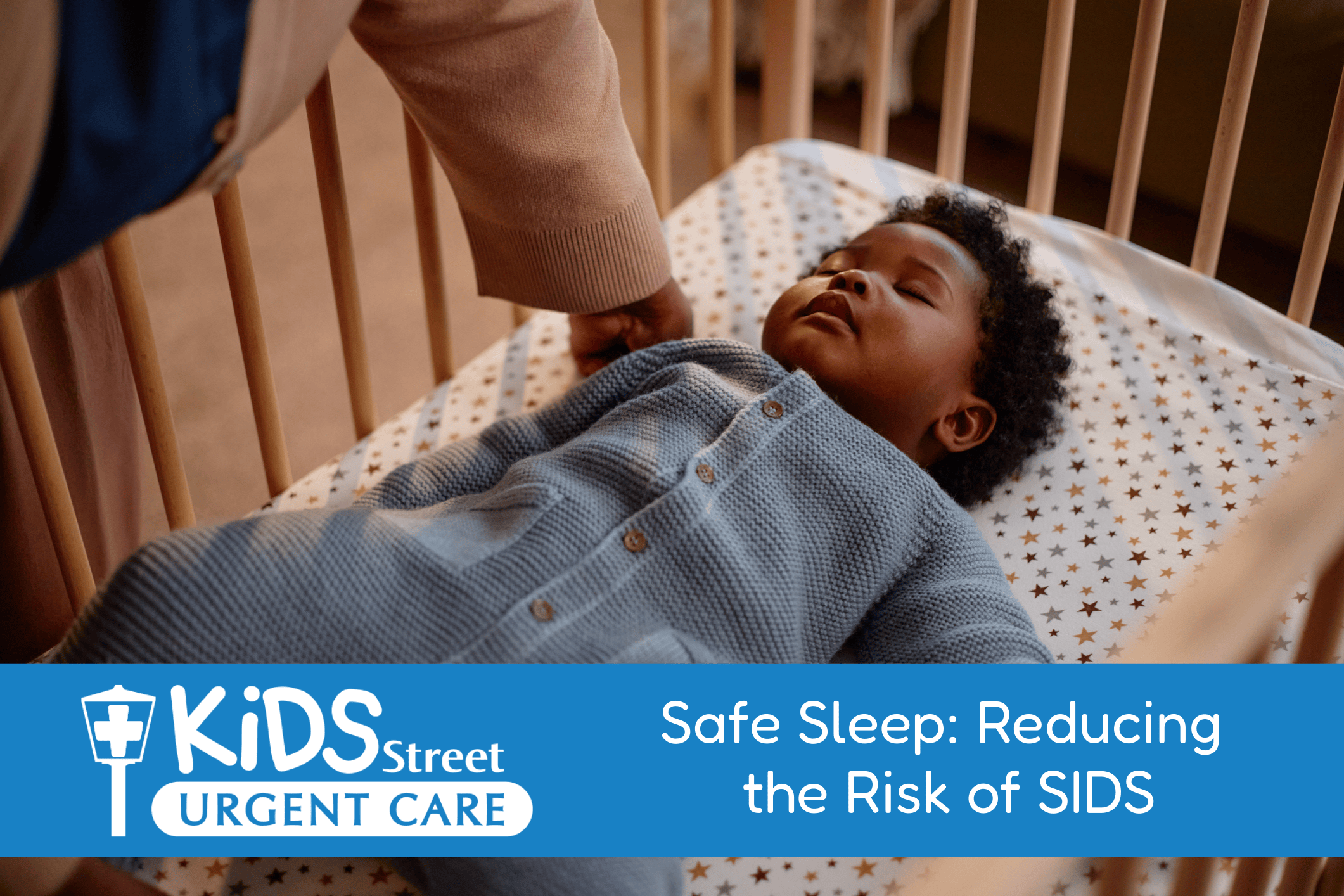
Safe Sleep: Reducing the Risk of SIDS
Safe sleep is one of the most important parts of baby safety, especially during the first year. Simple habits, like using a clear sleep space and placing your baby on their back, can help create a safer place for rest.
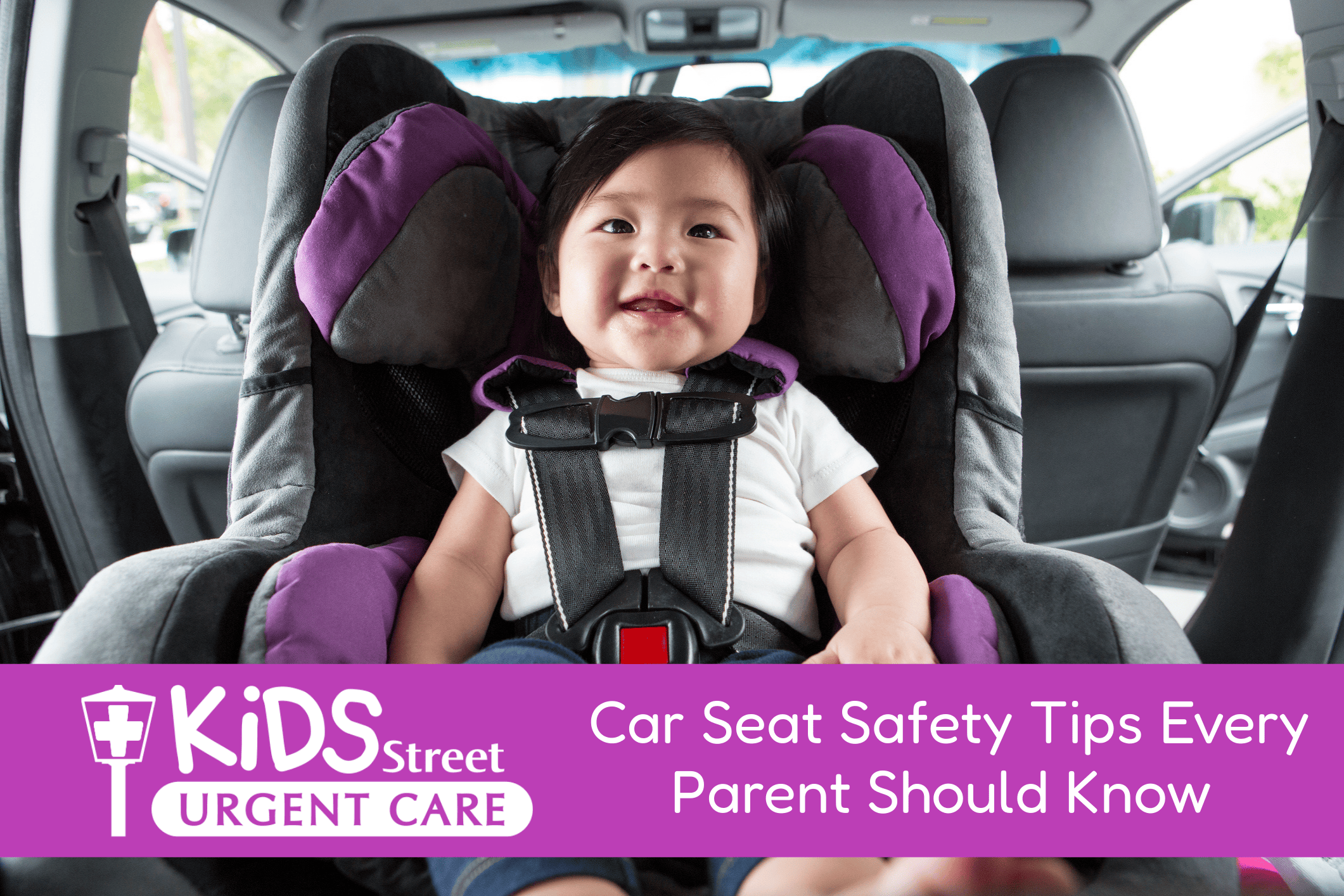
Car Seat Safety Tips Every Parent Should Know
Every car ride starts with the right car seat, proper fit, and secure installation. Understanding basic car seat safety can help you feel more confident when traveling with your baby.
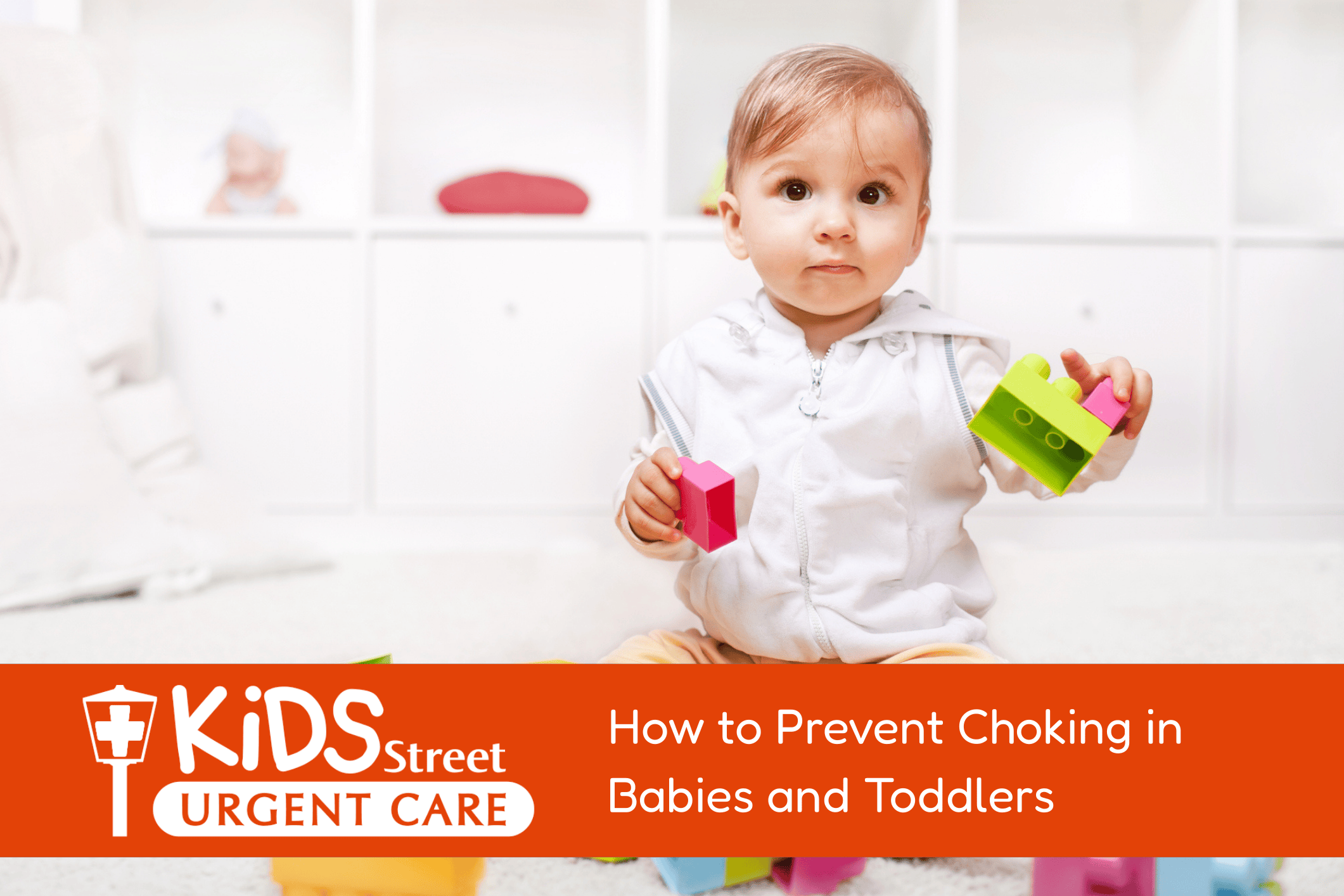
How to Prevent Choking in Babies and Toddlers
Babies and toddlers explore the world with their hands and mouths, which can make choking hazards easy to miss. Learning what foods, toys, and household items to watch for can help make everyday spaces safer.
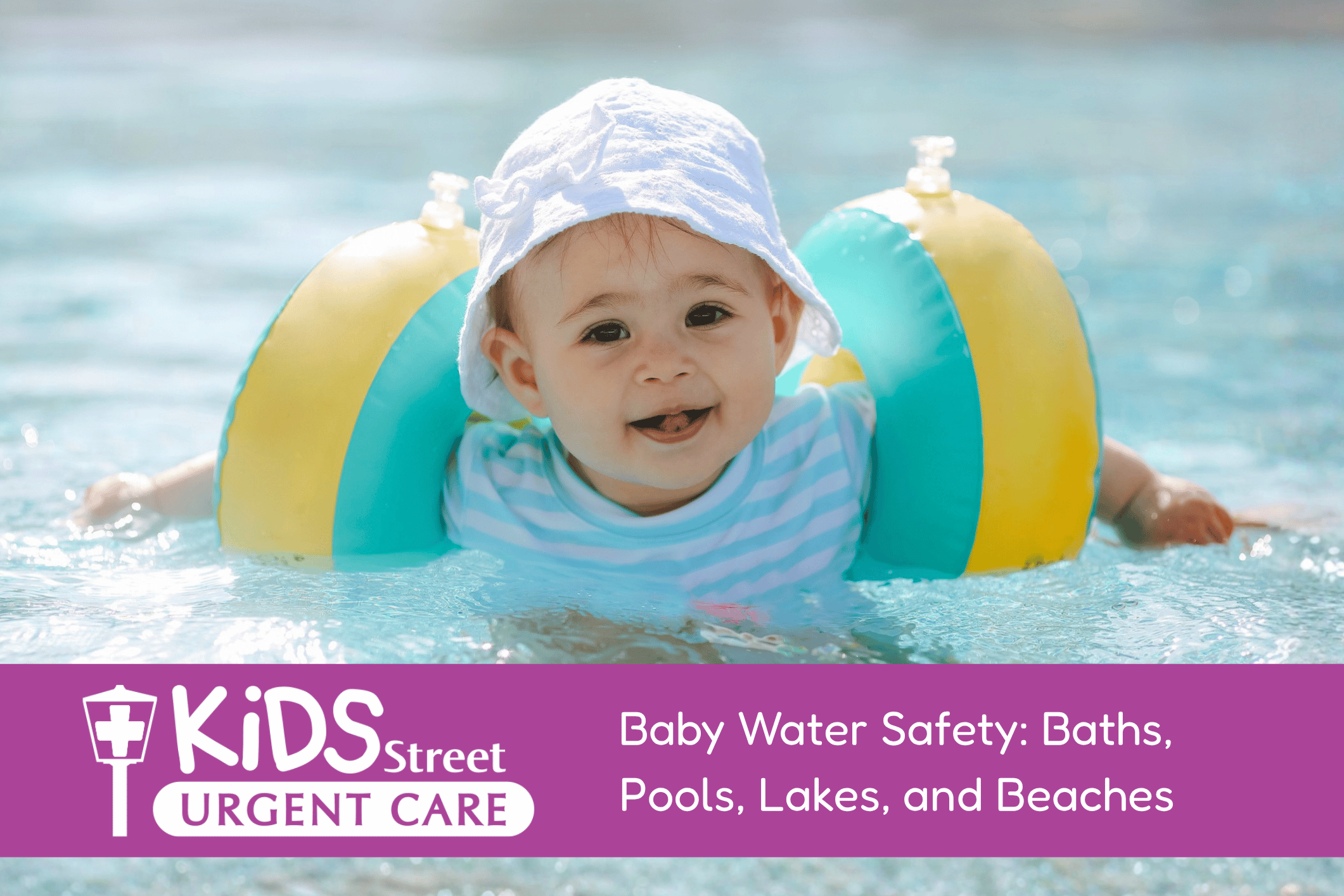
Baby Water Safety: Baths, Pools, Lakes, and Beaches
Water safety starts long before swim lessons, from bath time to pool days and beach trips. Knowing how to keep your baby safer around water can help you feel more prepared during everyday routines and family outings.
When KidsStreet Can Help
Even with careful prevention, babies and toddlers still get sick, bump their heads, spike fevers, develop rashes, have feeding concerns, or experience minor injuries.
KidsStreet can help with non-emergency concerns such as:
- Fever
- Cough or congestion
- Ear pain
- Rashes
- Minor cuts or scrapes
- Mild allergic reactions
- Vomiting or diarrhea
- Concerns after a minor fall or bump
- Questions about symptoms that need a closer look
If your baby is having trouble breathing, has blue lips or face, is difficult to wake, has a seizure, has signs of severe dehydration, has a serious injury, or has symptoms that feel life-threatening, call 9-1-1 or go to the nearest emergency room.
Visit KidsStreet for Pediatric Urgent Care
Baby safety can feel overwhelming, but you do not have to figure everything out alone. Whether you are reviewing safety tips or your child needs care for a non-emergency illness or minor injury, KidsStreet is here for your family.
KidsStreet offers pediatric urgent care and is open late 7 days a week.
Register online to save your spot in line! Online registration is not an appointment, but it can help reduce in-clinic wait times by adding you to the queue before you arrive.