

Kids could live outside during summer, and honestly, who can blame them? But all that time in the sun adds up. Sunburn isn’t just painful in the moment, repeated sun exposure during childhood can have lasting effects on skin health.
The good news is that protecting your child is easier than you might think. Here’s what parents should know about sun safety for kids.
How Sunburn Happens and Why It Matters
When our skin is exposed to the ultraviolet (UV) rays from the sun, it can become damaged faster than most parents realize.
On a bright summer day, the kind every kid dreams of, their skin can start to burn in as little as 15 minutes. That’s not much time at all. A cloudy day doesn’t help much, either, as many families have experienced. On days like that, up to 80 percent of UV rays pass right through the clouds.
For children, it’s even worse, because their skin is more sensitive than ours. Repeated sunburns can increase the risk of serious skin damage later in life. So, building good habits today for sun protection for children can pay off years later.
Sunscreen for Kids: A Great Tool, but Not the Only One
Sunscreen is a must, but it works best as part of a bigger strategy.
When choosing and applying sunscreen:
- Use broad-spectrum (protects against both UVA and UVB rays) rated SPF 30 or higher
- Apply generously 15 to 30 minutes before going outside
- Reapply every two hours, and immediately after swimming or heavy sweating
- Don’t forget ears, the back of the neck, tops of feet, and exposed scalp
- For babies under six months, keep them out of direct sun rather than relying on sunscreen
Protective clothing adds another layer of defense. Lightweight long-sleeved clothing, wide-brimmed hats, and UV-blocking sunglasses are all great options for UV protection for children. Look for clothing labeled with a UPF rating for the best protection.
Finally, shade is your friend, especially between 12 PM and 4 PM, when UV rays are strongest. Plan outdoor activities for earlier in the morning or later in the afternoon when you can.
When Sunburn Needs Medical Attention
Most heat and sun exposure for kids is mild and can be treated at home. Most sunburns can be treated with cool water, soothing lotions like aloe vera, and plenty of fluids.
For more serious sunburns, and any other symptoms of overexposure like fatigue, dehydration, blistering, fever, chills, swelling, and nausea and/or vomiting, seek care from an urgent care for kids provider.
KidsStreet is open late 7 days a week! If your kiddo has you concerned after being out in the sun, just stop on by and we’ll take a look.
Register online to save your spot in line and get your child the care they need right away. We’re here to help your family stay safe and healthy all summer long.
Summer Safety for Kids Blogs

Water Safety for Kids: Pools, Lakes, and Beaches
Spending time in the water is one of the best parts of summer, from pool days to beach trips. Knowing how to keep your child safe around water can help you enjoy every splash with more peace of mind.

Signs of Heat Exhaustion and Heat Stroke in Kids
Hot summer days can take a toll on kids faster than you might expect. Knowing the early signs of heat exhaustion and heat stroke can help you act quickly and keep your child safe.

How to Keep Kids Hydrated in the Summer Heat
Between playing outside, swimming, and running around, kids can get dehydrated quickly in the summer heat. Staying ahead of hydration helps keep their energy up and their bodies feeling their best.

Car Seat Safety and Summer Travel Tips for Kids
Summer means more time on the road for family trips and everyday outings. Making sure your child is safe in the car and protected from heat can make every drive a little less stressful.
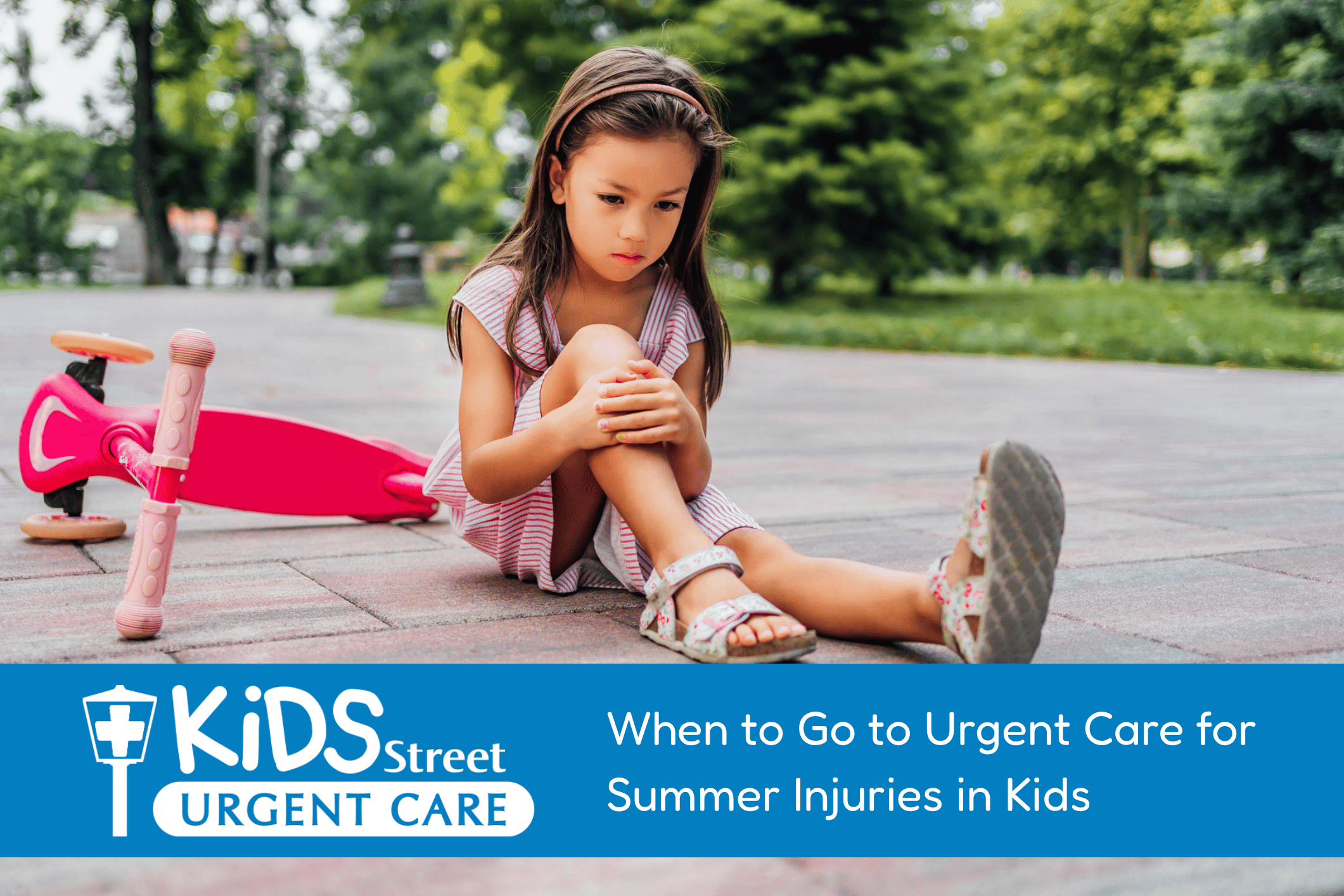
When to Go to Urgent Care for Summer Injuries in Kids
From scrapes and sprains to sunburns and stings, summer can come with its share of bumps and bruises. Knowing when to treat at home and when to seek care can make all the difference.

Bug Bites, Stings, and Summer Rashes in Kids
Bug bites and summer rashes are almost unavoidable during outdoor play. Knowing what’s normal and what needs attention can help you handle these common issues with confidence.